CES 2026 Trends & The Growth Of The Smart Home


Photo Credit: Jessica Reyes
Smart Homes Enter the Mainstream
We spent the week in Las Vegas at CES 2026, the world’s largest consumer electronics show, and the shift in smart home technology was easy to feel. Across three days we saw smart refrigerators, AI-powered beds, robot vacuums, lighting systems, and connected kitchens. The real takeaway was how grounded and usable this technology has become. These products felt designed for daily life, not just show-floor demos.
From startups introducing focused, well-designed tools to global brands refining the most important categories in the home, CES made it clear that smart home technology is settling into its role as part of modern living. Devices are easier to set up, easier to use, and built to work together in more meaningful ways. That evolution reflects what we’ve been tracking in our look at how smart homes are disappearing into daily life, where connected technology becomes something you rely on quietly in the background.
Practical Everyday Innovation
The strongest smart home trends at CES focused on improving the things people already use every day. Lighting, locks, cameras, TVs, appliances, and climate control were the stars of the show. As The Verge noted, “the big trends … weren’t about new product categories; they were about bringing better features and lower prices to smart home staples.”
That shift matters because it changes how people experience connected homes. Instead of debating whether a device belongs in the home, the focus is now on how well it performs and how smoothly it fits into daily routines. Faster response times, better automations, and more accessible pricing make smart home technology feel more practical for more households.
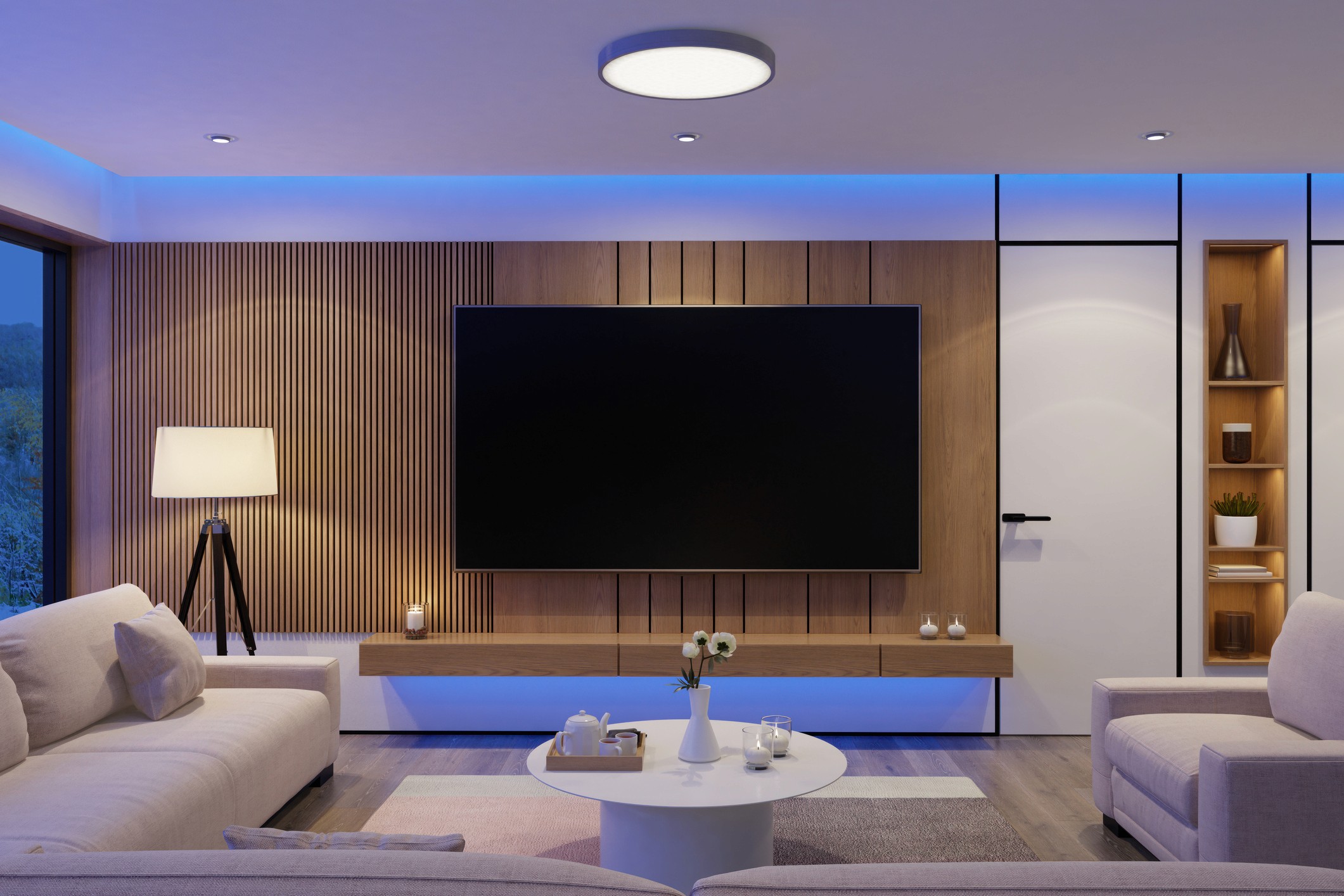
This approach lines up closely with the ideas we shared in how to get the most from your smart home, where thoughtful setup and well-chosen devices create real quality-of-life improvements. Brands like IKEA demonstrated this clearly at CES, showing lighting, thermostats, and sensors designed around comfort, mood, and automation that feels natural rather than complicated.
Interoperability Takes Center Stage
One of the most important forces behind this new phase of the smart home is Matter. Matter is the connectivity standard that allows devices from different brands to work together, and it was everywhere at CES 2026. Lights, locks, thermostats, vacuums, and appliances were all demonstrating compatibility across ecosystems.
That shared language between devices removes many of the friction points that have slowed adoption in the past. Setup becomes simpler. Automations become more powerful. Homeowners can choose products based on quality and design instead of being locked into a single platform.
This kind of connectivity builds on what we explored in what Thread is and how it all connects, where the networking layer of the smart home supports faster, more reliable communication between devices. At CES, those ideas showed up in working systems that felt ready for real homes, not just prototypes.
Big Brands Deliver Real Everyday Value
CES 2026 also showed how seriously major consumer brands are investing in the connected home. Companies like Samsung and LG brought products designed for broad use, including voice-enabled refrigerators, adaptive appliances, and home robots built around daily tasks.
These systems aim to support how people already live, whether that means managing groceries, cleaning floors, or adjusting climate and lighting automatically. When large manufacturers commit to reliability, long-term support, and cross-platform compatibility, smart home technology becomes something homeowners can trust over time.
That kind of commitment is one of the reasons smart homes are becoming a foundation of modern housing rather than a niche hobby. When automation supports routines like waking up, cooking, cleaning, and winding down at night, it becomes part of the structure of daily life.
Smart Tech Becomes Ambient and Invisible
Another theme running through CES 2026 was how quietly smart home technology now operates. Devices do their work in the background, responding to occupancy, time of day, and user habits without demanding constant attention.
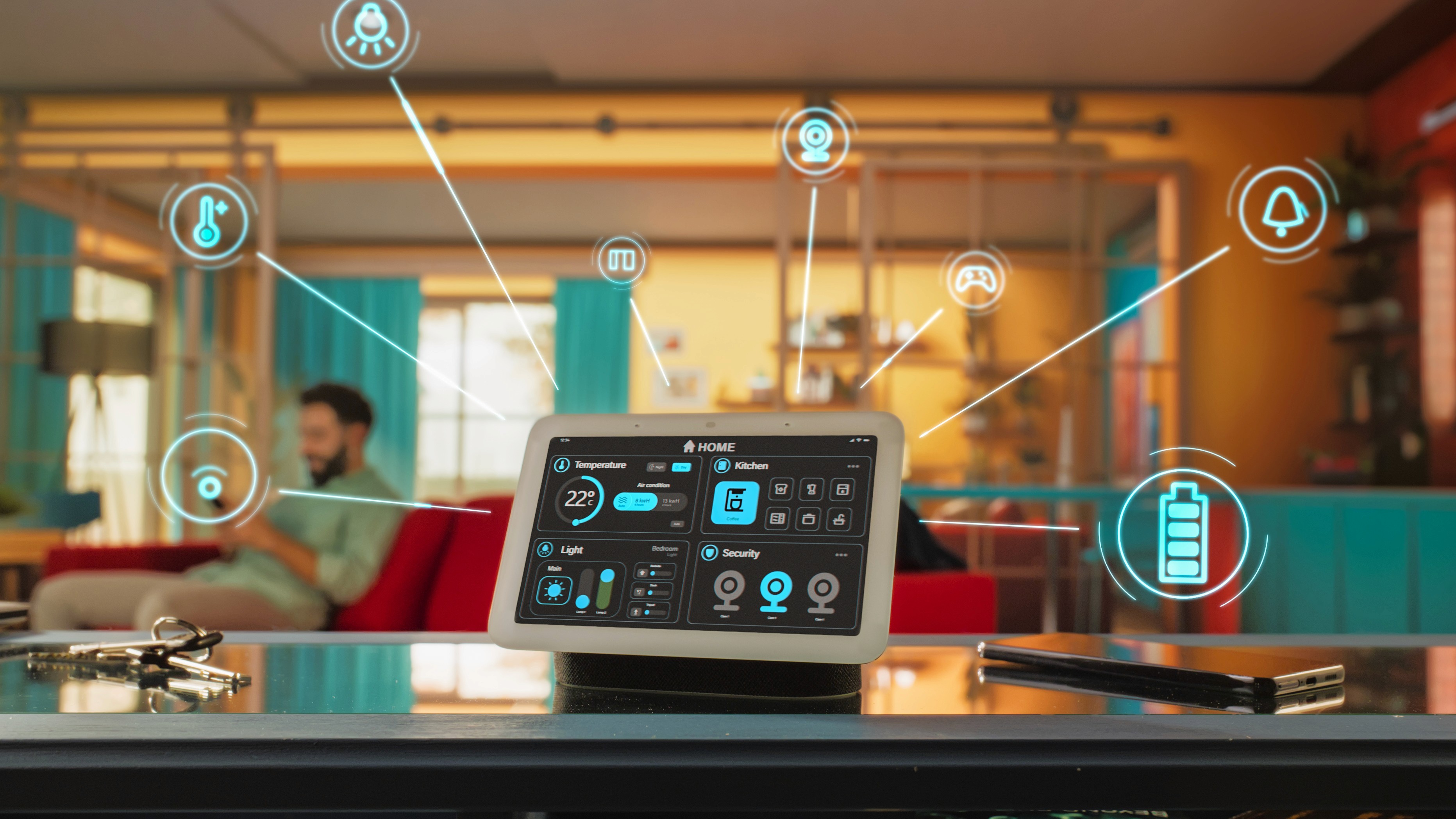
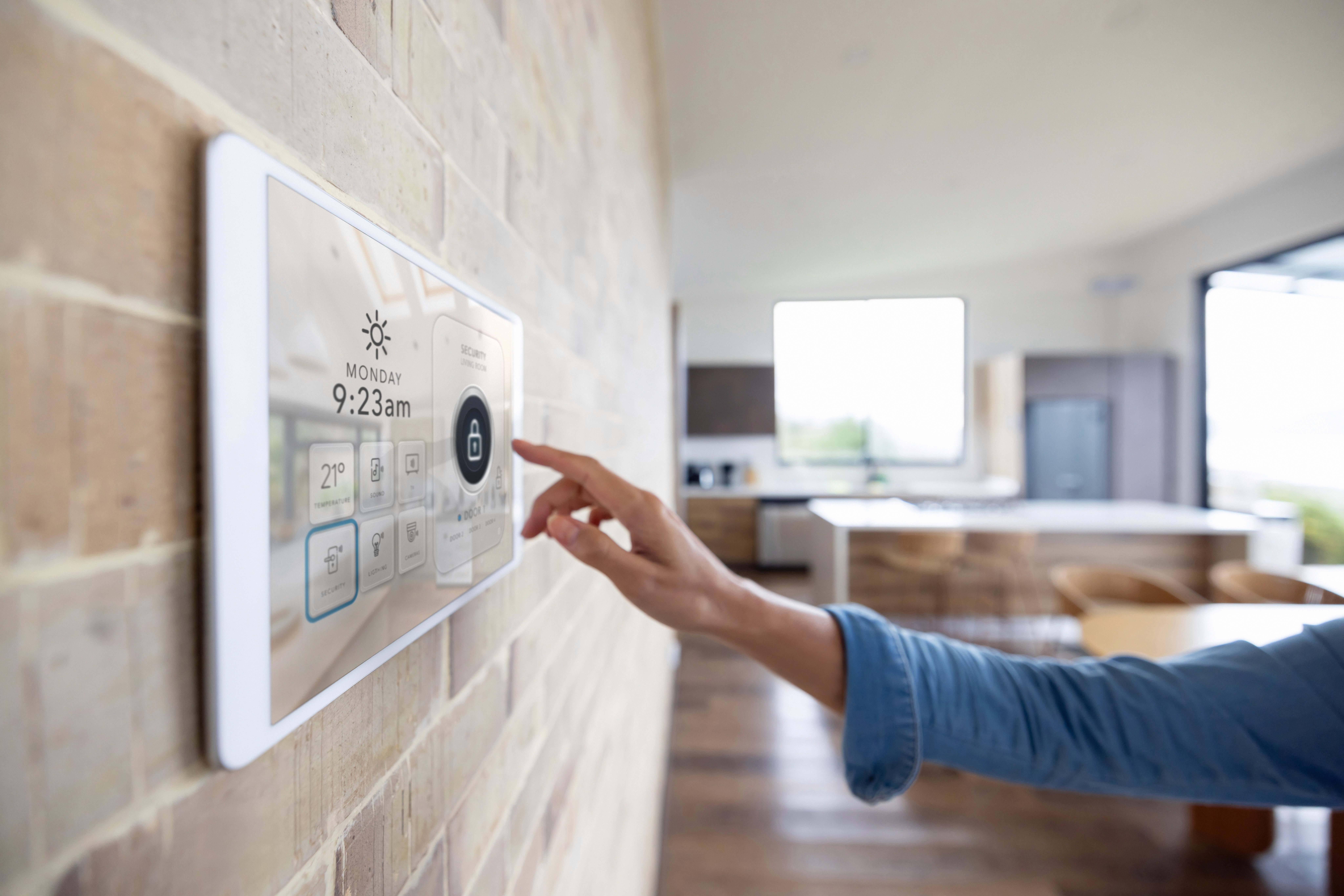
Lights adjust automatically. Locks secure themselves. Robot vacuums map rooms and clean on a schedule. Climate systems learn preferences and respond to weather and usage patterns. This kind of invisible intelligence reflects the direction we described in smart homes disappearing into daily life, where technology enhances comfort, efficiency, and safety without becoming intrusive.
When everything works together through shared standards and reliable networks, the home becomes more responsive and easier to manage, even when no one is actively interacting with a device.
A Turning Point for the Smart Home
CES 2026 marked a clear milestone for the smart home industry. What we saw across the show floor pointed to an ecosystem that is growing, stabilizing, and delivering real value to homeowners.
Interoperability through Matter is improving compatibility between brands. Everyday devices are gaining better features and more accessible pricing. Major manufacturers are treating smart home technology as core home infrastructure.
For anyone building or upgrading a connected home, this is a powerful moment to lean in. With so many systems now designed to work together, the benefits of thoughtful automation are more tangible than ever. If you’re looking to take advantage of what’s now possible, our guide on how to get the most from your smart home offers a great place to start.