How To Get The Most From Your Smart Home

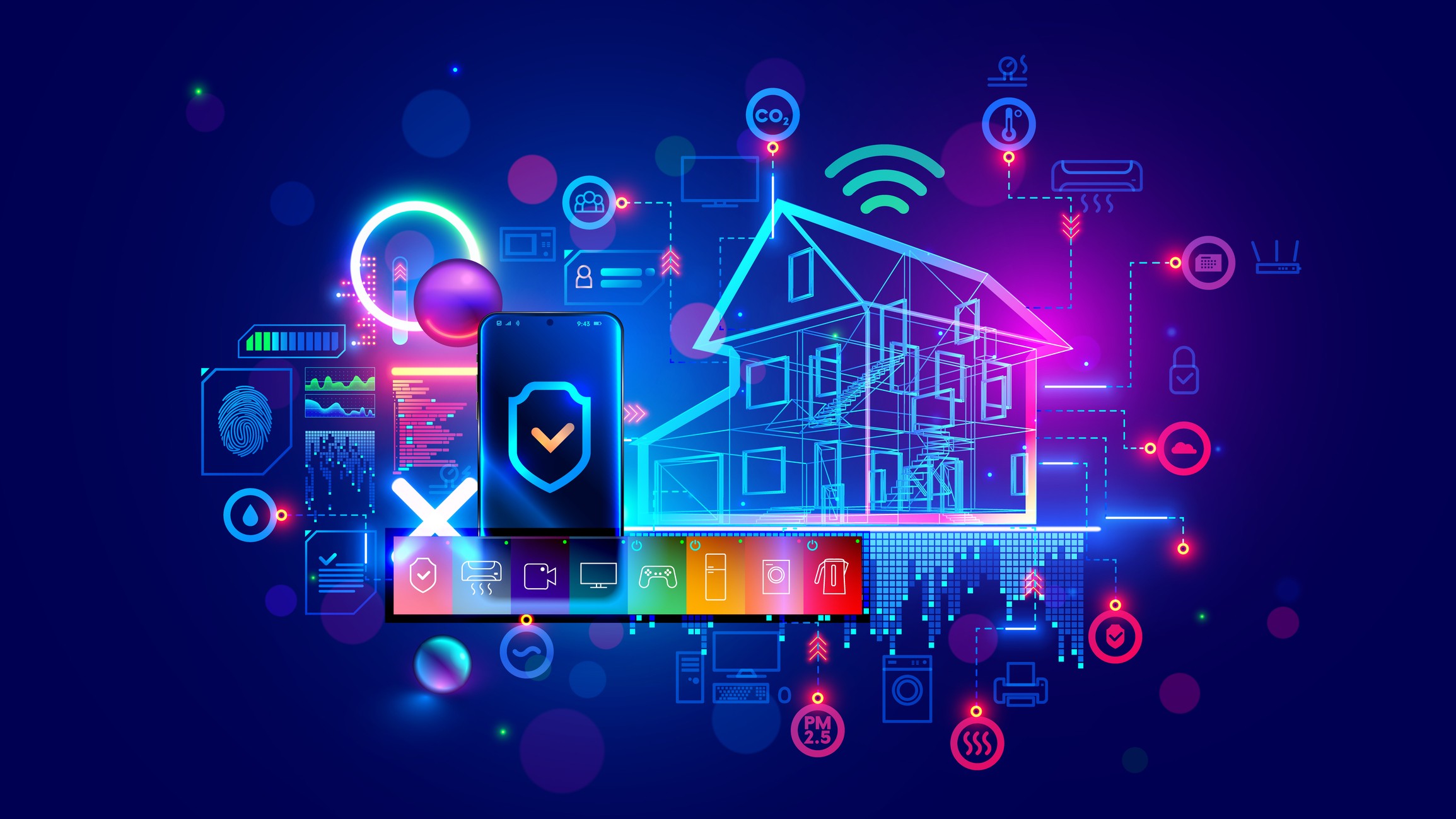
Photo Credit: Andrey Suslov - iStock
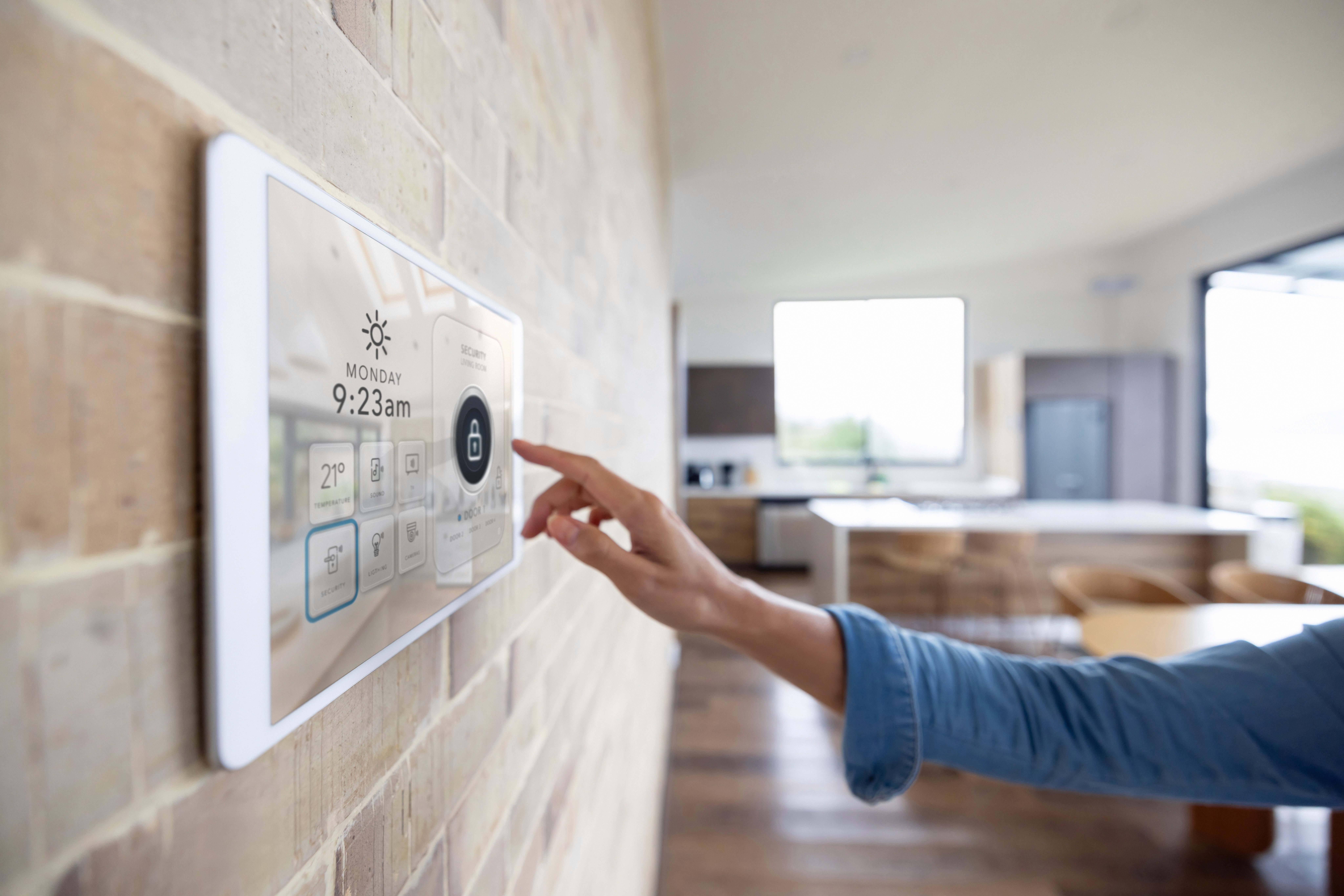
Smart homes have come a long way. What used to feel like a scattered collection of gadgets is now turning into a small ecosystem that runs quietly in the background. Lights adjust without much thought, cameras sync across apps and everyday routines feel a little smoother. As more devices enter the home, the real question is not whether you should use smart tech. It is how to get the best performance and keep everything secure.
Two shifts are defining the 2026 smart home experience. People are more aware of security, and setup is finally getting easier thanks to Matter, Thread and new NFC tap to pair onboarding. This guide brings those trends together and breaks down what homeowners should know to build a smart home that feels reliable, safe and easy to manage.
Smart Home Security Starts With Everyday Habits
Recent news stories have been a good reminder that smart homes still need some active protection. A ZDNET overview explains how many attacks come down to simple oversights like default passwords or devices that never receive updates.
The encouraging part is this. Most attacks remain rare, and bad actors usually look for easy, unprotected devices. A few consistent habits go a long way toward keeping your system out of that category.
Use strong, unique passwords
Camera breaches and monitor hacks often trace back to default credentials or reused passwords from other sites. Treat every new device like a new account and give it its own secure password.
Turn on multi factor authentication
MFA adds an extra approval step when you log in. If someone ever gets your password, they still cannot get into the account without your confirmation. Platforms like Amazon, Google and Philips Hue all support it.
Secure your Wi Fi network
Think of your router as the front door to your smart home. Use WPA2 or WPA3, update the default password, avoid sharing your main network widely and consider creating a second network dedicated to IoT devices.
Keep devices updated
Manufacturers push security patches through firmware updates. Turning on automatic updates removes the guesswork and keeps your devices protected.
Disable features you do not need
If you do not use remote access, turn it off. If your router has Universal Plug and Play and it is not essential, disable it. Fewer unused features means fewer potential entry points.
Research brands before buying
Big names do not guarantee flawless security. Companies like Wyze, Eufy and Google have all had vulnerabilities in the past. Before buying, check reviews, read forums like Reddit and look for a history of consistent updates and transparency about data storage.
Smart Home Setup Is Finally Getting Easier in 2026
For years, setup has been the pain point. Everyone knows the feeling of trying to scan a QR code at the wrong angle, troubleshooting a stubborn Bluetooth pairing step or dealing with a device that refuses to join the network.
Matter helped simplify things, but the next leap is coming through NFC tap to pair onboarding. Electronics For You recently covered how STMicroelectronics is introducing NFC based commissioning for Matter devices, highlighting a shift that helps both everyday users and professional installers.
Tap to pair makes setup faster
Instead of blinking LEDs, pairing loops or awkward QR codes, you simply tap your phone against the device and add it instantly. This is especially helpful for installs in tight or awkward locations.
Tap to pair works even without power
The ST25DA C chip can harvest enough energy from the NFC tap to complete the setup flow. You can commission multiple devices at once, even if they are not plugged in yet.
Security is baked into the process
The chip stores cryptographic keys, certificates and Matter credentials in a secure environment. It is Common Criteria certified and aligned with GlobalPlatform IoT security standards.
This lines up with Matter 1.5
Matter 1.5 officially added support for NFC onboarding, and more brands are adopting it. The setup experience starts to feel like tapping to pay, not troubleshooting a pairing sequence.
How To Get Better Performance From Your Smart Home
Once devices are secure and easy to set up, the next step is creating a home that stays reliable without constant tinkering. A few guiding principles help everything run smoothly.
Choose Thread enabled devices when you can
Thread creates a low power, self healing mesh network that keeps devices online even if one node drops. For sensors, lights and everyday accessories, it is often more stable than Wi Fi alone.
Place your router and hubs thoughtfully
Walls, distance and interference can interrupt connections. A central router location and strategically placed Thread or Matter hubs fix many of those issues before they start.
Organize your networks
High bandwidth devices like cameras and TVs belong on your main Wi Fi network. Bulbs, sensors and plugs perform better on an IoT network or a Thread mesh. Grouping device types improves consistency.
Remove outdated or unsupported devices
If a brand stops issuing updates or a device constantly disconnects, it may slow the rest of your network. Retiring old hardware can instantly improve reliability.
Build automations that match your lifestyle
The best smart home routines are simple. Lights that shift when you arrive, climate settings that warm up before you wake and door locks that confirm status in the evening add real value without overcomplication.
The Smart Home Experience Is Moving Toward Simplicity and Trust
The combination of better security habits and easier setup marks an important turning point. Consumers want systems that respect privacy, connect quickly and stay stable without endless effort. NFC onboarding, Matter 1.5 improvements and practical cybersecurity guidance are helping the industry move toward that reality.
If 2025 was the year Matter became mainstream, 2026 is shaping up to be the year smart homes finally feel effortless.
A great smart home does not require complexity. It requires good habits, a solid setup foundation and devices built with interoperability and security at their core. As standards continue to evolve, tap to pair commissioning becomes common and ecosystems become more predictable, homeowners gain more control than ever over experiences that once felt fragmented.