Why the Future of PropTech Depends on Human-Centered Design, Not Just Smarter Technology


Photo Credit: amgun - iStock
PropTech’s rapid evolution is no longer just about digitizing real estate operations, it is about crafting systems that integrate technology, human needs, and lived experience. As the global PropTech market surges toward an expected USD 142.17 billion by 2035, with a projected 16.5% CAGR, innovation and investment are increasingly focused on connected ecosystems that support real people, work patterns, and communities. According to Expert Market Research, the sector’s growth reflects a deeper shift toward intelligent, experience-driven real estate platforms, not just operational efficiency. At the same time, industry leaders are rethinking how talent, culture, and leadership function in a technology-first environment, as outlined in Businessworld People’s analysis of PropTech’s evolving people playbook. Meanwhile, changing residential preferences around smart homes, sustainability, and hybrid work continue to reshape how the built environment is designed and valued. In 2026 and beyond, the leaders in PropTech will be those who design with people at the center, not just the technology.
PropTech’s Human-Centered Imperative
PropTech innovation historically focused on efficiency gains through automation, data, and analytics. That foundation is now expected, but it is no longer sufficient. What defines competitive real estate technology today is how well platforms, devices, and systems enable purposeful experiences, empower people, and support adaptive work patterns.
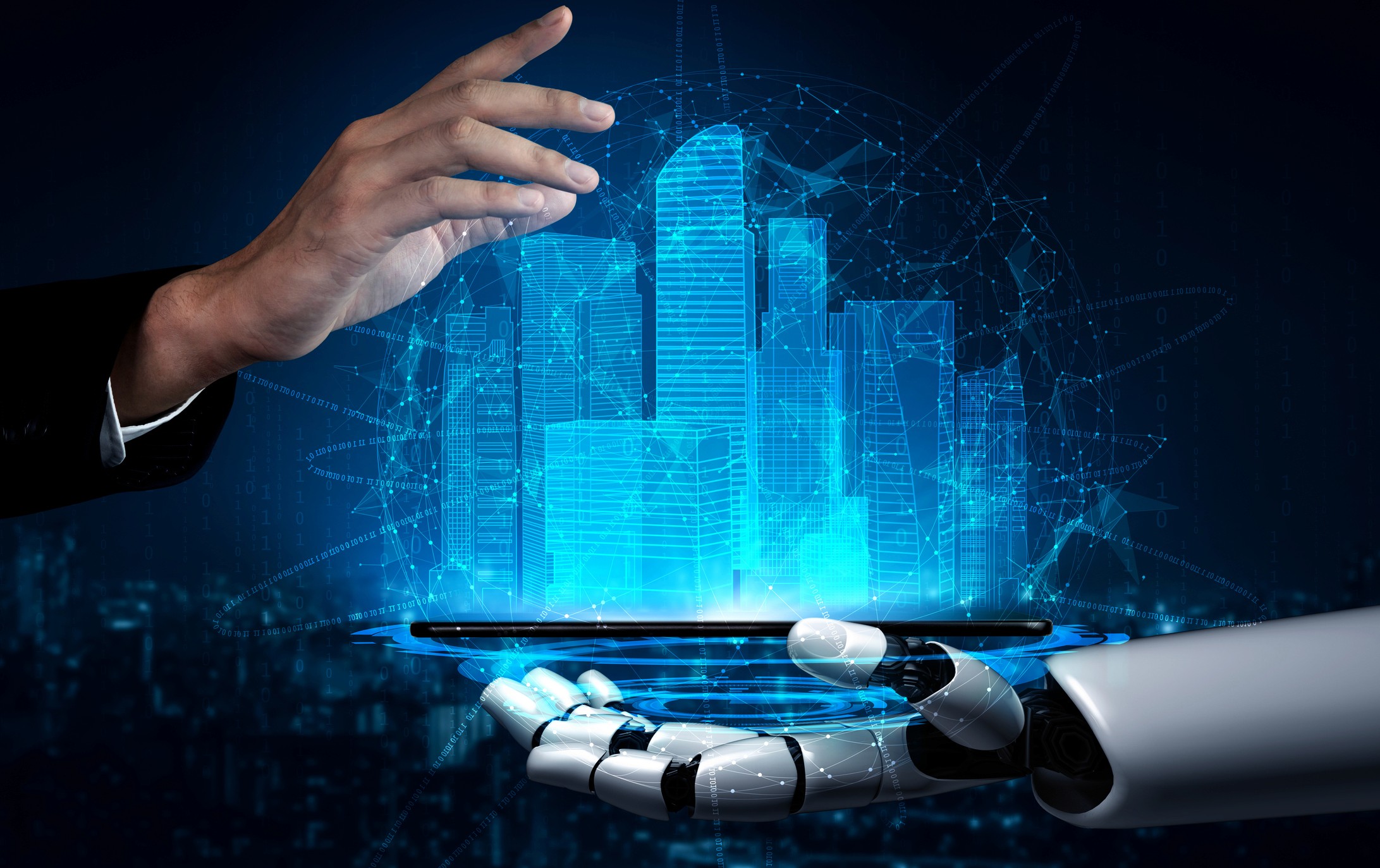
A clear signal of this shift appears in Businessworld People’s article, Rethinking the People Playbook in PropTech and What 2026 Demands. The piece reframes PropTech as a capability-driven ecosystem, where AI and automation enhance judgment rather than replace it, and where culture functions as core operating infrastructure.
This evolution mirrors broader conversations around automation, AI governance, and human-centered operations across multifamily and enterprise real estate.
Smart Homes, Sustainability, and Shifting Lifestyles
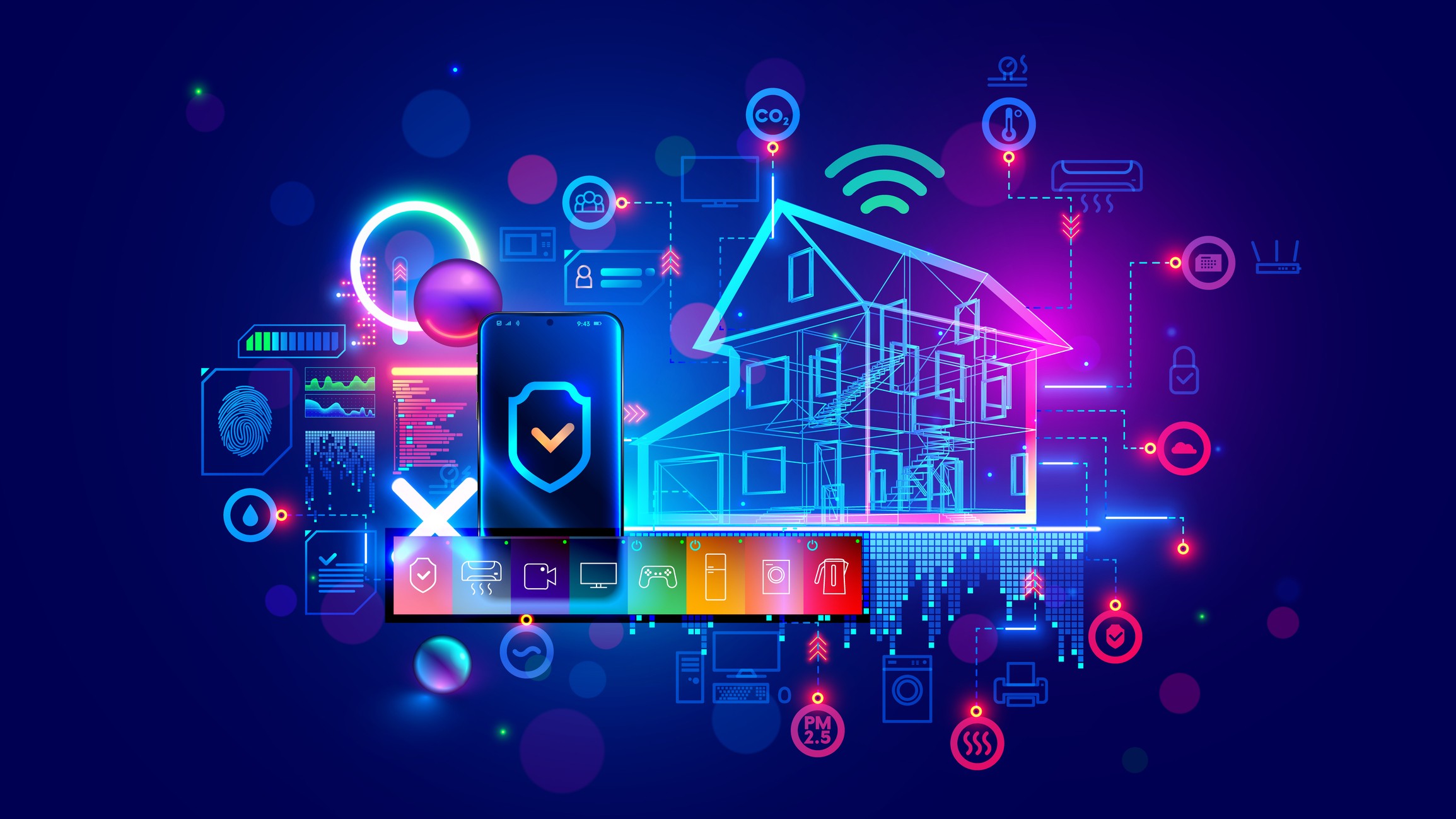
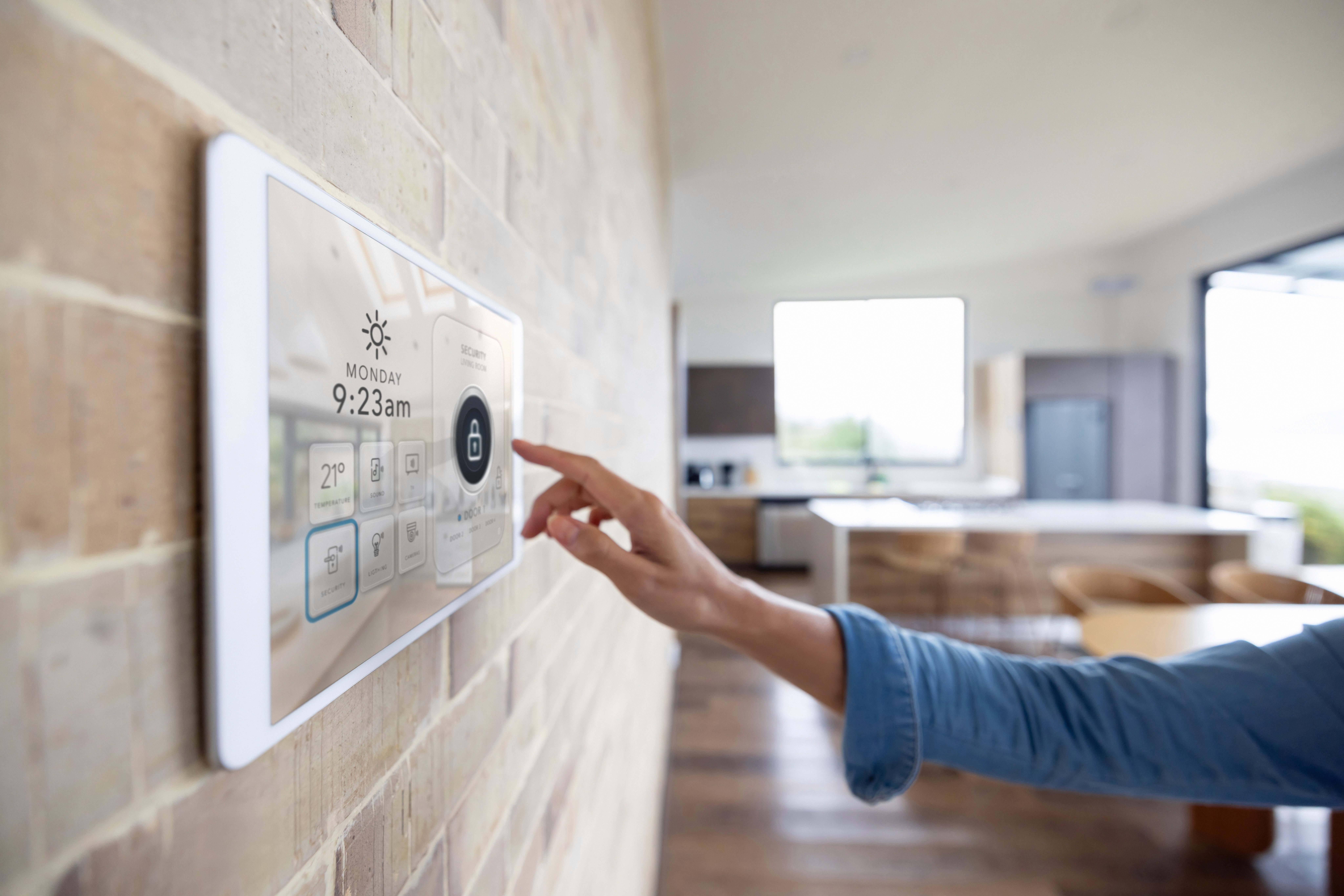
Residential real estate provides a tangible example of how PropTech is intersecting with everyday life. Buyers and renters now expect smart home integration, streamlined digital experiences, and sustainability as baseline requirements. Automated lighting, security systems, climate control, and voice-enabled devices are increasingly standard, not premium upgrades.
These trends are explored in Future Trends in Residential Real Estate, which highlights how smart home technology, remote work, co-living, and mixed-use developments are reshaping housing demand and design. Sustainability, in particular, has emerged as a hidden value driver, influencing both resale value and long-term asset performance.
This shift aligns with growing investor attention toward climate-aligned real estate and resilient infrastructure.
People, Skills, and Cultural Infrastructure
As PropTech platforms scale, human capability remains the defining differentiator. The workforce transformation described in Rethinking the People Playbook in PropTech underscores a move away from static job roles toward fluid capability ecosystems. Learning agility, cross-functional literacy, and systems thinking are becoming essential skills.
Culture has also evolved from an abstract concept into a tangible operating system. Organizations that prioritize clarity, psychological safety, and outcome-driven performance are better positioned to integrate advanced technology without creating friction or burnout. Hybrid work, once framed as a location policy, is now a strategic design choice focused on collaboration, focus, and energy management.
These shifts reinforce the reality that PropTech success depends as much on how people work as on what technology enables.
PropTech Scale and Strategic Investment
Market data further validates this human-centered evolution. According to Global PropTech Market to Reach USD 142.17 Billion by 2035, growth is being driven by smart building technologies, AI-powered analytics, digital twins, and consumer-centric platforms. Notably, many of the fastest-growing segments emphasize transparency, sustainability, and user experience.
As AI becomes embedded across leasing, valuation, maintenance, and investment decision-making, the industry is learning that adoption depends on trust and usability, not just performance.
PropTech’s future will not be defined solely by smarter tools or faster platforms. It will be shaped by how effectively technology aligns with human behavior, organizational culture, and lived experience. As smart systems, AI, and connected infrastructure become standard, differentiation will come from human-centered design, adaptive talent strategies, and climate-conscious thinking. The organizations that succeed in 2026 and beyond will be those that recognize technology as an enabler, not the end goal, and people as the primary lens through which value is created.