Smart Homes Are Disappearing Into Daily Life

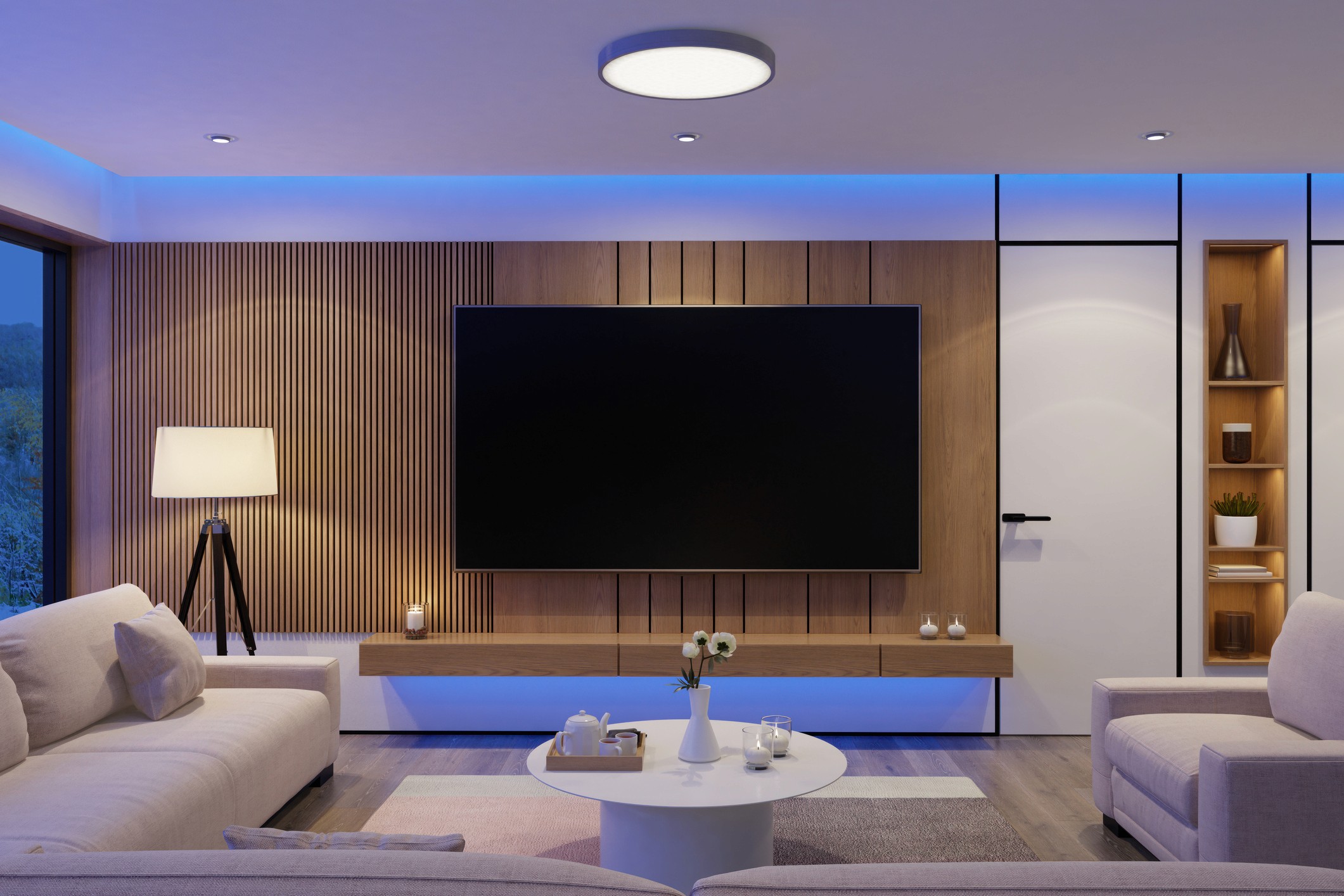
Photo Credit: tulcarion - iStock
There was a time when smart homes felt loud.
Bright apps, blinking hubs, awkward voice commands, and devices that wanted attention. If your home was smart, you knew it. You showed it off. You explained it. You managed it.
That is no longer where the category is heading.
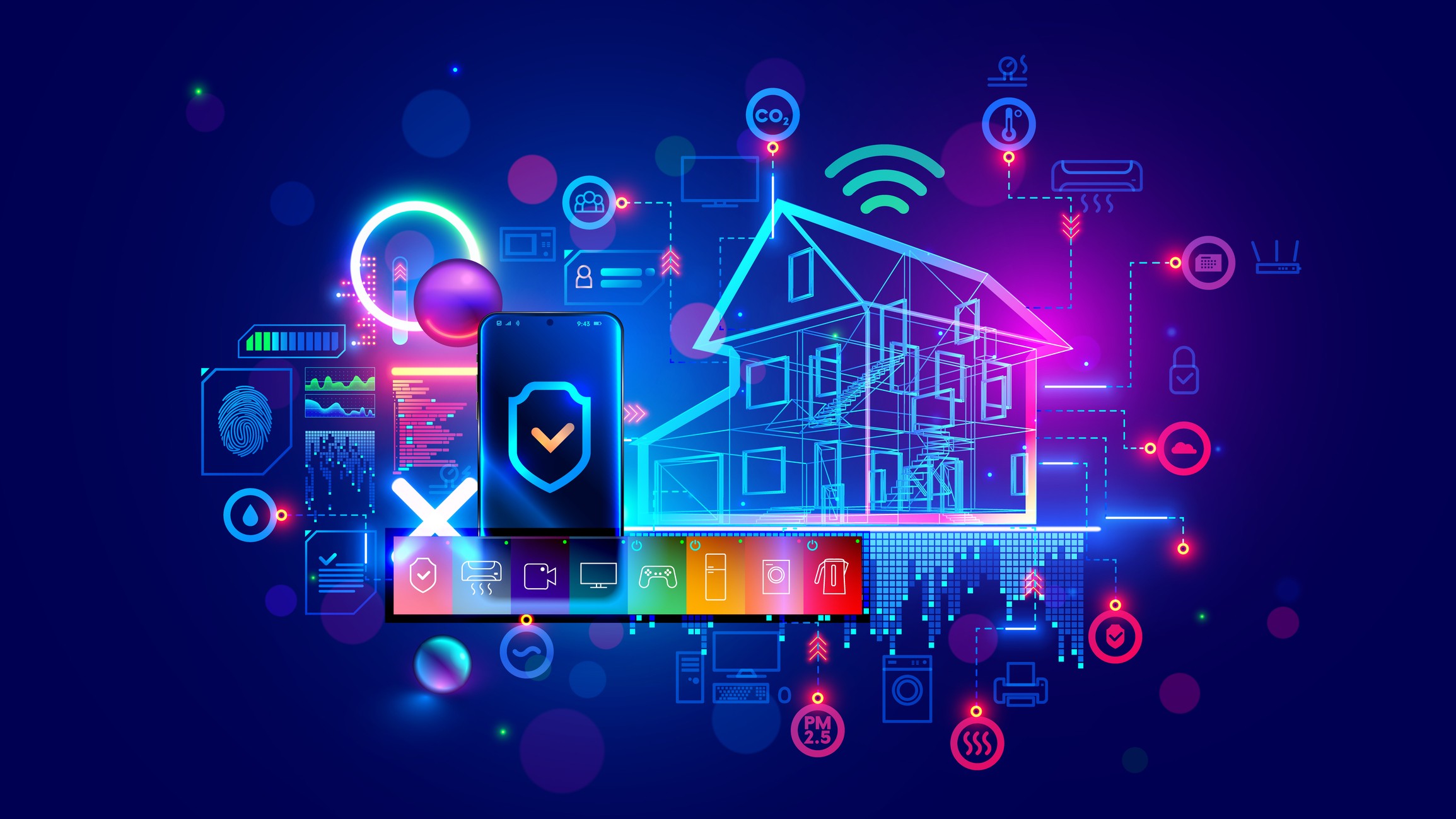
In 2025, smart homes are quietly disappearing into daily life. The technology is still there, but it no longer asks to be the focus. Lights adapt without being told. Climate systems learn without constant input. Security runs in the background. Controls feel physical again, or vanish entirely.
This shift is not about one product or one platform. It is about maturity. Smart homes are moving away from novelty and toward something more important: normalcy. And that change is reshaping how homes are designed, sold, and lived in.
Smart Homes Have Moved Past the Gadget Phase
For years, smart homes were defined by what you added to them. A smart bulb here. A camera there. A speaker on every surface. Each device came with its own app, its own logic, and its own learning curve.
That model does not scale well for real life.
What we are seeing now is a shift away from collections of devices and toward systems that behave more like infrastructure. Smart features are becoming expected parts of the home, similar to Wi Fi, HVAC, or modern lighting. They are not special upgrades. They are baseline improvements.
Interior design trends reflect this change clearly. As highlighted in this overview of smart home interior ideas redefining modern living in the U.S., lighting, climate, security, and automation are increasingly designed into spaces from the start rather than layered on later.
This evolution also mirrors a broader shift in how homeowners think about value. Instead of chasing individual devices, many are focused on learning how to get the most from their smart home as a complete system.
The smartest homes today are the ones where technology does not interrupt the space. It supports it.
Design Is Now Leading the Smart Home Conversation
One of the most important signals in the market is that smart home adoption is increasingly driven by design, not technology enthusiasm.
Homeowners are not asking for dashboards. They are asking for comfort, calm, and flexibility. They want lighting that changes naturally throughout the day. They want temperature that feels right without constant adjustment. They want security that reassures without feeling intrusive.
This is why smart homes are starting to feel invisible.
Design forward thinking plays a major role here. Smart lighting is used to highlight materials and textures. Speakers are concealed. Sensors are integrated into walls and ceilings. Technology is expected to disappear into the decor rather than compete with it.
When technology is designed around the space and the people using it, it fades into the background. A physical button becomes more useful than a complex app. A routine that runs quietly becomes more valuable than one that needs constant tweaking.
Interoperability Is Making Smart Homes Feel Effortless
A major reason smart homes can now disappear into daily life is interoperability. When devices work together without friction, users stop thinking about the technology itself.
Standards like Matter are playing a key role here. Instead of forcing homeowners to commit to a single brand or ecosystem, interoperability allows devices to coexist. Lighting, blinds, sensors, plugs, and speakers can all respond to the same triggers and routines, even if they come from different manufacturers.
If this shift feels subtle, that is because it is meant to be. Much of the heavy lifting happens behind the scenes, through shared standards and connectivity layers. We have previously explored this evolution in more detail in Matter 1.5 and why it matters, as well as how protocols like Thread quietly keep smart homes connected without constant user involvement.
This becomes especially tangible at the mass market level. IKEA’s growing lineup of Matter compatible smart home products shows how interoperable smart devices are becoming affordable, modular, and familiar. Smart plugs, lighting, blinds, sensors, and buttons can be added gradually without locking households into complex custom installs.
The result is not a home full of gadgets. It is a home that quietly adapts.
Physical Controls Are Making a Comeback
Interestingly, as smart homes become more advanced, they are also becoming more tactile again.
Physical buttons, dials, and remotes are returning, not as a step backward, but as a refinement. Voice control and apps are still useful, but they are not always the most natural interface. Sometimes a button on the wall is faster. Sometimes a dial is more intuitive.
This return to physical control aligns closely with the push toward interoperability. Matter compatible buttons and remotes now work across devices and platforms, reinforcing the idea that smart homes should feel intuitive rather than technical.
In many ways, the future smart home looks less futuristic than people expected. And that is exactly why it works.
Smart Homes Are Becoming Services, Not Projects
Another sign of maturity is how smart homes are being delivered.
Telecommunications and infrastructure companies are increasingly positioning smart homes as bundled services rather than DIY projects. AT&T’s recent launch of Connected Life is a clear example. By combining Google Home devices, professional monitoring, and resilient connectivity, smart home security is being packaged as a reliable, always on service.
This trend echoes a broader industry signal that smart homes are entering their next phase. As highlighted by recent industry recognition and consumer awards, reliability, ease of use, and real world value are increasingly outweighing novelty.
When smart homes are treated as services, they fade into the background even further. They become something you rely on, not something you configure.
The Smart Home Is Becoming a Design Expectation
As smart features disappear into daily life, they are also becoming expected in real estate.
Listings increasingly highlight smart thermostats, lighting, security, and energy monitoring as standard amenities. New builds are pre wired for sensors, blinds, and automation. Renters expect app based access and remote control as part of modern living.
Smart features are no longer marketed as futuristic upgrades. They are practical, value adding elements that support comfort, energy efficiency, and wellness.
When smart features are assumed, they stop being selling points and start being part of the definition of a modern home.
What This Means for Homeowners and Renters
For people living in these spaces, the disappearing smart home offers real benefits.
Less cognitive load. Fewer apps. Fewer decisions. Homes that respond naturally to daily routines instead of demanding constant input.
It also means smart homes are easier to adopt. You do not need to transform your entire space at once. Thanks to interoperable platforms and affordable entry points, households can start with lighting, climate, or security and expand over time without friction.
The best smart homes in 2025 are not the most complex ones. They are the ones that feel intuitive.
What This Means for the Industry
For builders, designers, and product makers, the message is clear.
The future of the smart home is not louder features or more aggressive automation. It is subtlety. Reliability. Interoperability. Design sensitivity.
Whether through standardized platforms, mass market adoption, or service driven delivery models, the industry is moving toward technology that disappears into daily life.
And that is where real scale comes from.
Smart homes are not going away. They are becoming something better.
In 2025, the smartest homes are the ones you stop thinking about. The lights feel right. The temperature adjusts naturally. Security is present without being intrusive. Controls feel familiar. Systems work together quietly.
This is what it looks like when a technology category grows up.
Smart homes are no longer trying to impress. They are learning how to belong.
And that is why they are disappearing into daily life.