Smart Home 2026 Predictions: Where the Category Actually Goes Next

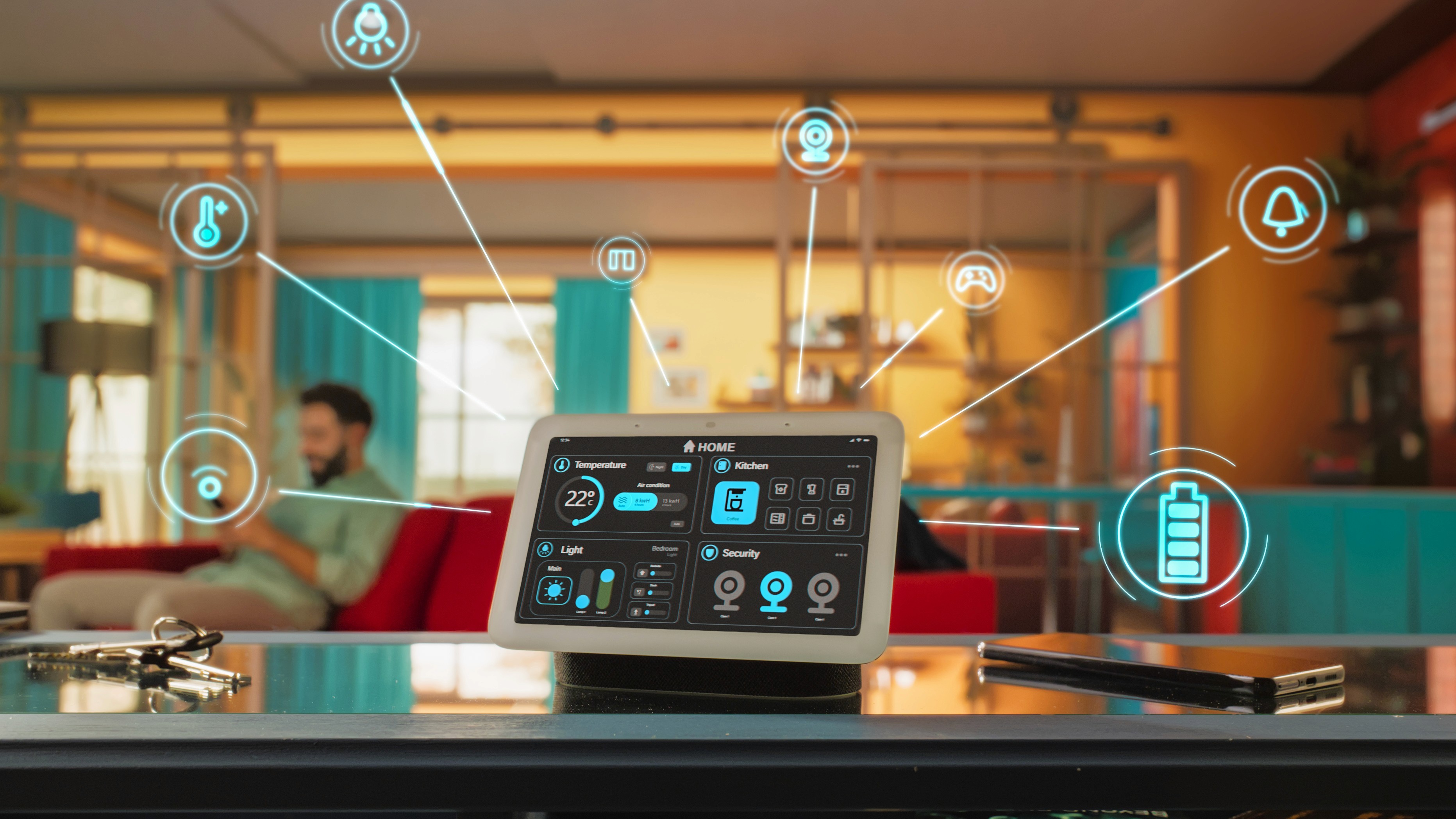
Photo Credit: gorodenkoff
Smart homes have been talked about for years, but 2026 feels different. Not louder or flashier, but more deliberate.
After a decade of hype cycles, fragmented platforms, and half-fulfilled promises, the smart home category is entering a phase of maturity. Devices are improving, software is stabilizing, and expectations are changing. The focus is shifting toward consistency, experience, and long-term value.
This is happening as the industry once again gathers in Las Vegas. CES has long served as a signal for where technology believes it is heading. Next week, MIE Expo will be on the ground at CES, meeting startups, global brands, and integrators, capturing what is actually working, and sharing those insights across our social channels in real time.
Based on what we are already seeing across platforms, manufacturers, and the custom integration world, here is what we believe happens next for smart homes in 2026.
Smart Homes Continue Fading Into Daily Life
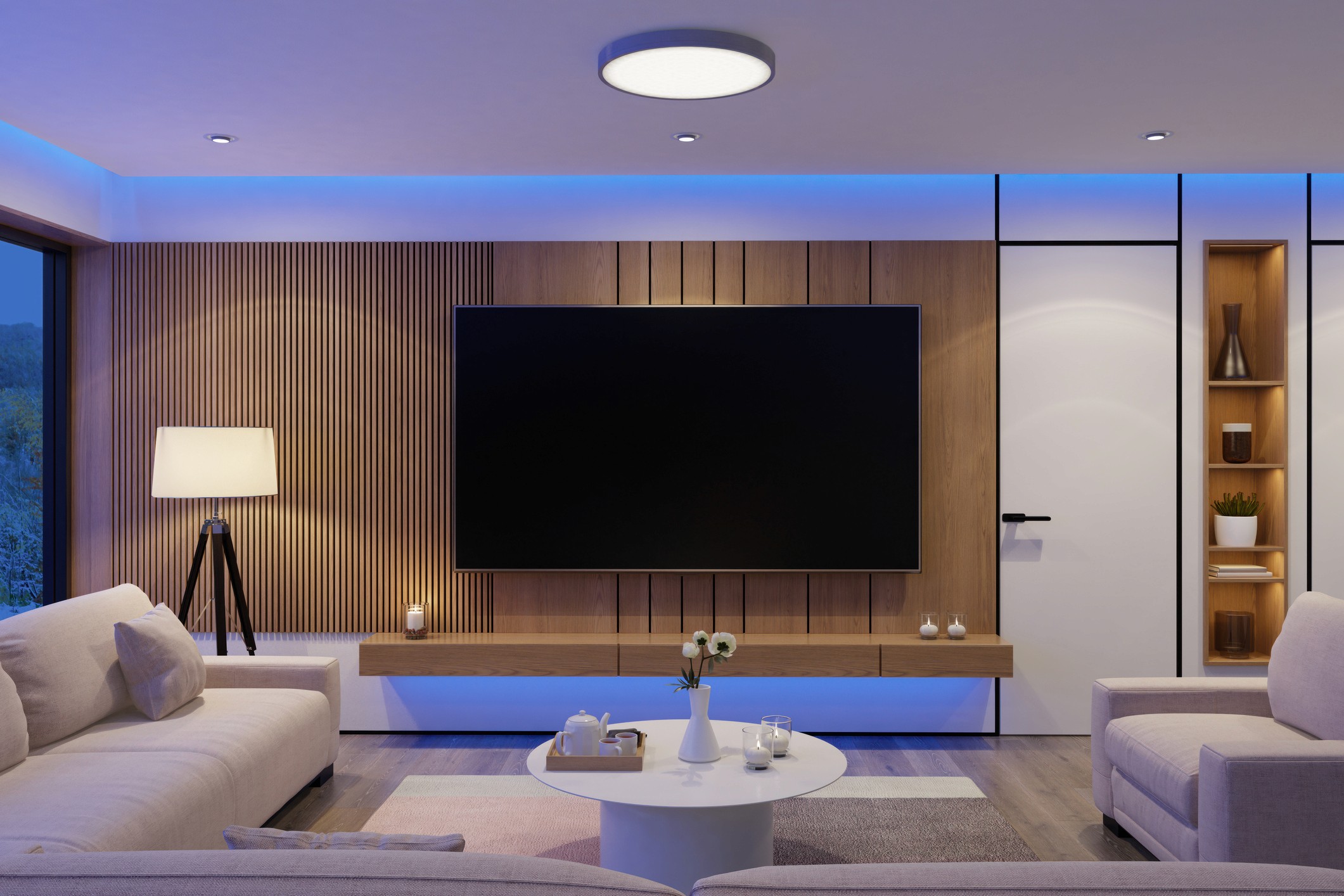
One of the clearest signals heading into 2026 is that smart homes are becoming less visible by design.
Homeowners are no longer asking for more apps, dashboards, or features. They want homes that respond naturally, systems that stay online, and technology that feels considered rather than intrusive. This aligns closely with how we have explored the idea that smart homes are already blending into everyday routines in Smart Homes Are Disappearing Into Daily Life, where automation works quietly in the background rather than demanding attention.
In 2026, the smartest homes will be the ones that require the least explanation. Lighting, shading, climate, and security systems operate based on context and habit, not constant manual input. Innovation continues, but success becomes harder to notice, which is often a sign of real progress.
AI Becomes Embedded Across the Stack
Artificial intelligence plays a growing role in nearly every smart home conversation, but its value in 2026 comes from execution rather than branding.
Apple’s reported 2026 roadmap highlights this shift clearly. As outlined in 15 New Products to Expect From Apple in 2026, nearly every major device upgrade focuses on stronger neural engines, on-device processing, and tighter ecosystem intelligence rather than headline-driven features.
The long-anticipated smart home hub, often referred to as HomePad, reflects this approach. Its appeal is not about introducing a new category, but about centralizing context, presence, and control in a way that fits naturally into the home.
This mirrors what professionals across the industry observed throughout 2025. In CE Pro’s recap of a year defined by design, security, and reliability, AI quietly improved workflows, documentation, remote support, and system planning without becoming a focal point for homeowners.
In 2026, AI continues to grow, mostly in places users do not interact with directly. That quiet dependability becomes the feature people trust.
Interoperability Moves From Promise to Expectation
For years, interoperability has been discussed as a future state. In 2026, it becomes an expectation.
Standards like Matter and Thread continue shaping how devices communicate, reducing friction between platforms and ecosystems. Understanding how these systems operate under the hood helps explain why reliability and responsiveness improve, as outlined in What Is Thread, How Does It All Connect.
Matter builds on this foundation by expanding device support and tightening integration across ecosystems. Our breakdown in Matter 1.5 Is Here, What It Is and Why It Matters shows how this version pushes interoperability further while setting clearer expectations for manufacturers and consumers alike.
By 2026, the conversation shifts. The question is no longer whether devices can work together. The question becomes how well those systems hold up over time, across updates, outages, and real-world use.
Design and Reliability Drive Buying Decisions
Another major shift heading into 2026 is how smart home value is evaluated.
According to CE Pro’s industry recap, design, security, and reliability increasingly define successful projects. Lighting and shading have become central to how technology integrates into living spaces. Networking performance, particularly with Wi-Fi 7, plays a critical role as homes support more connected devices. Security continues evolving into a lifestyle feature rather than a reactive one.
In 2026, homeowners care less about technical complexity and more about whether technology fits visually, operates consistently, and integrates smoothly with the rest of the home. This reinforces the importance of system-level thinking and long-term reliability.
Global Platforms Shape the Infrastructure Layer
While consumer brands often dominate headlines, much of the smart home’s progress in 2026 happens deeper in the stack.
Samsung’s long-term strategy illustrates this clearly. As explored in Samsung, The Tech Giant Shaping the Future of Innovation, its influence spans semiconductors, displays, appliances, and connectivity, creating the infrastructure that enables smart environments to function at scale.
Foldable displays, smart appliances, and advanced chips are not isolated innovations. Together, they contribute to an ecosystem where screens, sensors, and computing power work across rooms and devices. As demand for AI-driven experiences grows, companies that control both hardware and core components quietly shape what is possible inside the home.
Energy Awareness and System Thinking Expand
Energy management continues gaining importance in 2026, though progress varies by market.
Smart thermostats, energy dashboards, and appliance scheduling improve, particularly where utilities and incentives align. At the same time, meaningful impact depends on coordination between homes, grids, and local infrastructure. This reinforces a broader theme, smart homes increasingly function as part of larger systems rather than isolated environments.
For homeowners looking to better understand how to extract value from these systems today, How to Get the Most From Your Smart Home remains a useful starting point.
CES 2026 as a Reality Check
CES remains one of the most important moments for understanding where smart home technology actually stands.
Next week in Las Vegas, MIE Expo will be on the ground at CES, meeting startups, established brands, and industry leaders. We will be exploring what is launching, what is gaining traction, and what still struggles to move beyond demos. More importantly, we will be sharing those insights across our social channels, highlighting products, ideas, and trends that point toward where smart homes are heading in 2026 and beyond.
CES often reveals not just what is new, but what is finally ready.
Looking Ahead
Smart homes in 2026 do not hinge on a single breakthrough moment. Progress shows up through better coordination, stronger foundations, and technology that fits more naturally into daily life.
Platforms stabilize. AI operates quietly. Design and reliability guide decisions. Infrastructure improves behind the scenes. These changes may not feel dramatic, but they are meaningful.