Why Smart Home Adoption Is Becoming a Core Real Estate Market Differentiator in 2026

Photo Credit: hirun - iStock
As the housing market normalizes and fewer homeowners choose to move, the future of residential real estate is being shaped less by transaction volume and more by how homes perform day to day. Heading into 2026, buyers and renters are prioritizing comfort, efficiency, and long-term livability, pushing smart home technology out of the novelty category and into the core of real estate value. Homes are no longer treated as temporary stops along a ladder, they are becoming long-term platforms that must adapt to changing lifestyles, energy realities, and economic pressure.
This shift mirrors a broader transformation underway across PropTech, where success increasingly depends on usability, trust, and lived experience rather than technical sophistication alone, a theme explored in Why the future of PropTech depends on human-centered design, not just smarter technology. Smart home adoption now sits at the intersection of affordability, operations, and human-centered design, redefining what “value” means in the housing market.
A Housing Market Defined by Staying Put
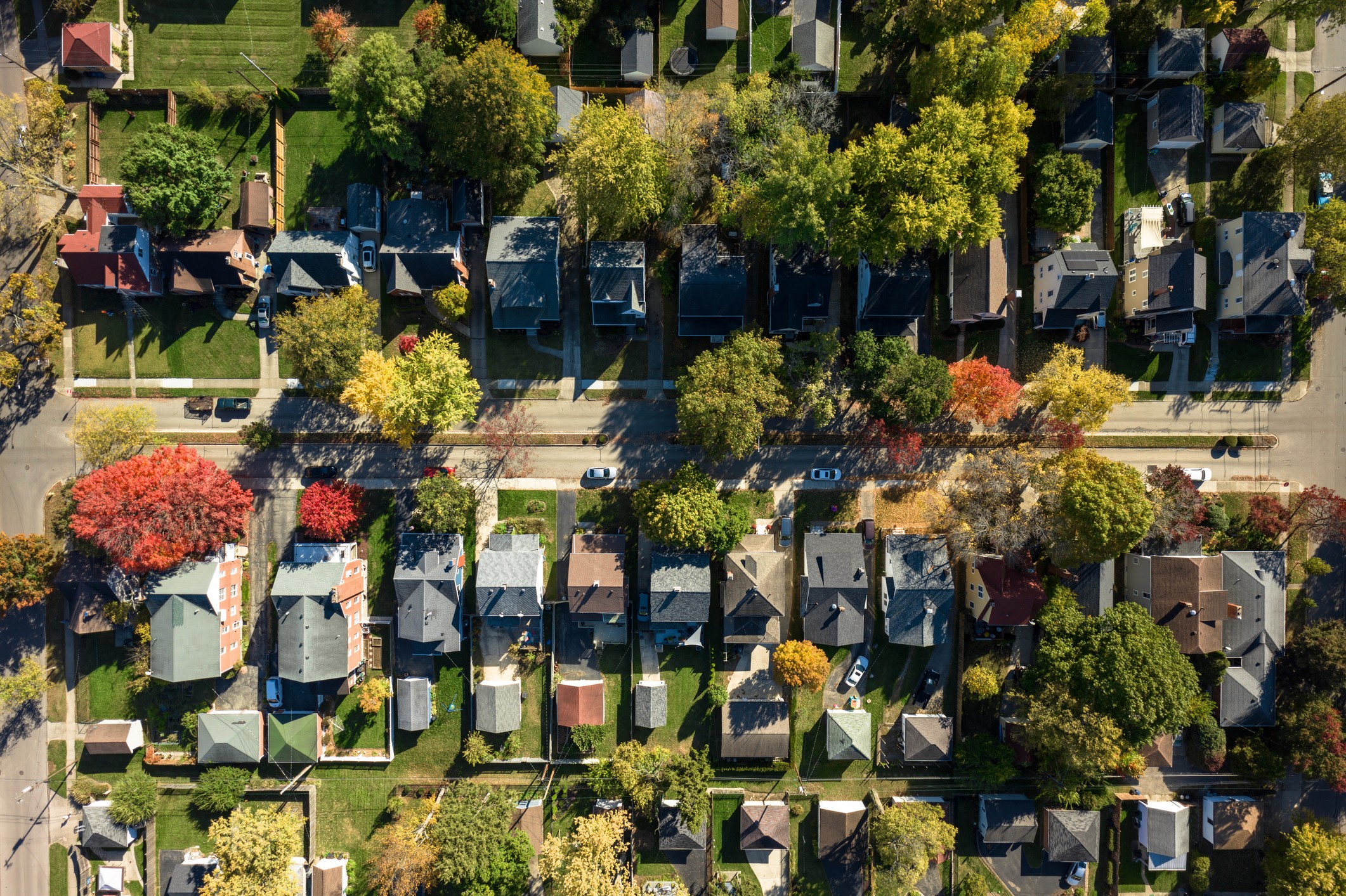
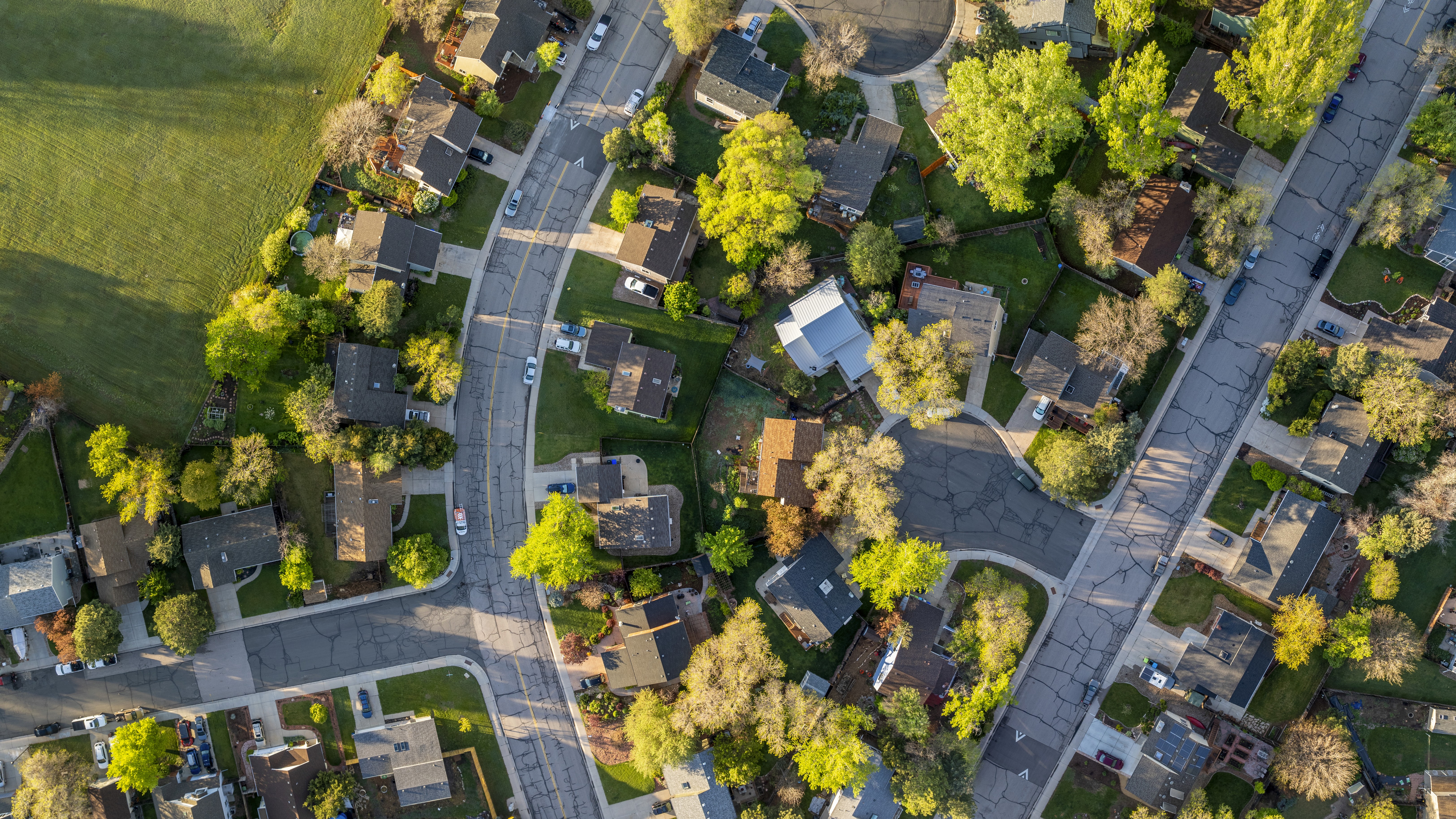
The foundation of this shift is a housing market characterized by normalization rather than rebound. According to industry forecasts cited by Furniture Today, existing-home sales are expected to rise only modestly in 2026, with mortgage rates remaining well above the ultra-low levels that previously fueled mobility. As the article notes, many homeowners find that “trading a 3% rate for a higher prevailing rate simply doesn’t make financial sense,” creating a powerful lock-in effect that keeps people in place and suppresses turnover.
This dynamic changes how consumers invest in their homes. Rather than full-home resets tied to a move, spending is increasingly directed toward targeted upgrades that enhance daily life. Furniture Today describes a market driven “less by full-home resets and more by targeted upgrades, durability and long-term value,” a framing that explains why smart home technology is gaining relevance even as housing activity cools.
This environment favors solutions that support long-term ownership, reinforcing the idea that technology must adapt to human behavior and real-world use, not the other way around, a principle central to human-centered PropTech design.
Smart Homes Shift From Features to Infrastructure
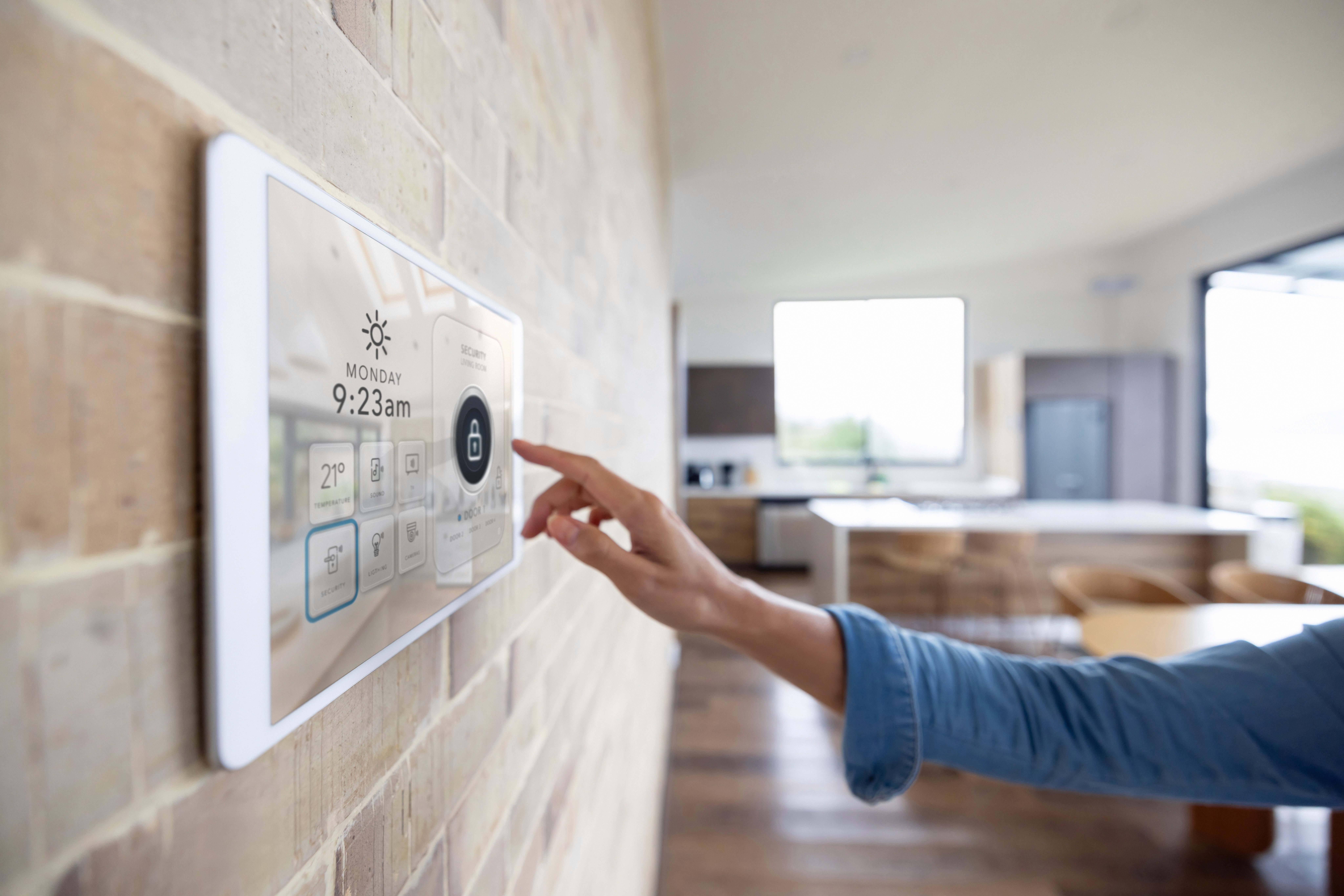
At CES 2026, the National Association of Realtors observed that smart home innovation has entered a more mature phase, with the focus shifting away from novelty and toward “design, reliability, and practical use cases.” Rather than spotlighting flashy gadgets, many of the most relevant technologies addressed everyday operational needs, including access control, energy resilience, and maintenance reduction.
Smart locks are a clear example. The NAR notes that smart locks are becoming “an operational tool for agents, builders and property managers,” enabling smoother showings, easier rekeying, and flexible access without sacrificing design. This evolution reflects a broader market reality, smart home features now matter because they reduce friction in how properties are shown, managed, and lived in.
The emphasis on reliability and simplicity also reflects buyer sentiment. As the NAR article explains, buyers are more likely to embrace smart features when they “do not feel like something homeowners have to manage,” reinforcing the importance of seamless ecosystems over fragmented app-based experiences. This aligns closely with the operational logic explored in Automation, AI governance, and the human touch, the new multifamily operating model for 2026, where automation succeeds only when it supports both residents and operators without adding complexity.
Kitchens Become Quiet Control Centers
The evolution of the smart kitchen offers another window into how smart home technology is becoming embedded infrastructure. According to RP Realty Plus, the global smart kitchen market reached $21.8 billion in 2025 and is projected to grow steadily as appliances evolve from standalone products into connected, AI-enabled systems.
What stands out is not just growth, but purpose. The article describes kitchens as becoming “connected nodes in wider home energy and digital ecosystems,” with appliances that respond to grid conditions, learn user habits, and deliver ongoing services. This transformation is driven in part by regulation, as governments push manufacturers toward energy efficiency, modular design, and long-term serviceability.
For real estate, this matters because kitchens are among the most emotionally and financially significant spaces in the home. When smart appliances reduce energy costs, improve safety, and integrate seamlessly into daily routines, they directly support the idea that affordability in housing extends beyond purchase price, a theme explored in Affordability is becoming the core product in PropTech. Smart kitchens translate operational efficiency into lived value, making technology tangible and intuitive for buyers and renters alike.
Energy, Resilience, and Everyday Economics
Energy resilience emerged as another meaningful differentiator at CES 2026. The NAR highlighted how whole-home energy backup systems are moving out of the luxury category and into the mainstream, particularly for buyers who work from home or live in outage-prone regions. These systems are increasingly positioned as modular, expandable platforms that support solar integration and future needs.
This dovetails with RP Realty Plus’s observation that smart appliances are being designed to align operating cycles with grid demand, helping households manage energy costs while supporting broader sustainability goals. Together, these trends reinforce a shift toward homes that actively manage resources rather than passively consume them.
In a market where consumers are cautious and deliberate, energy efficiency and resilience become central to affordability narratives. As Furniture Today notes, homeowners are leveraging equity more conservatively, focusing on “meaningful improvements” and long-term stability rather than cosmetic upgrades. Smart energy systems fit squarely within that mindset.
Quiet Automation, Real Value
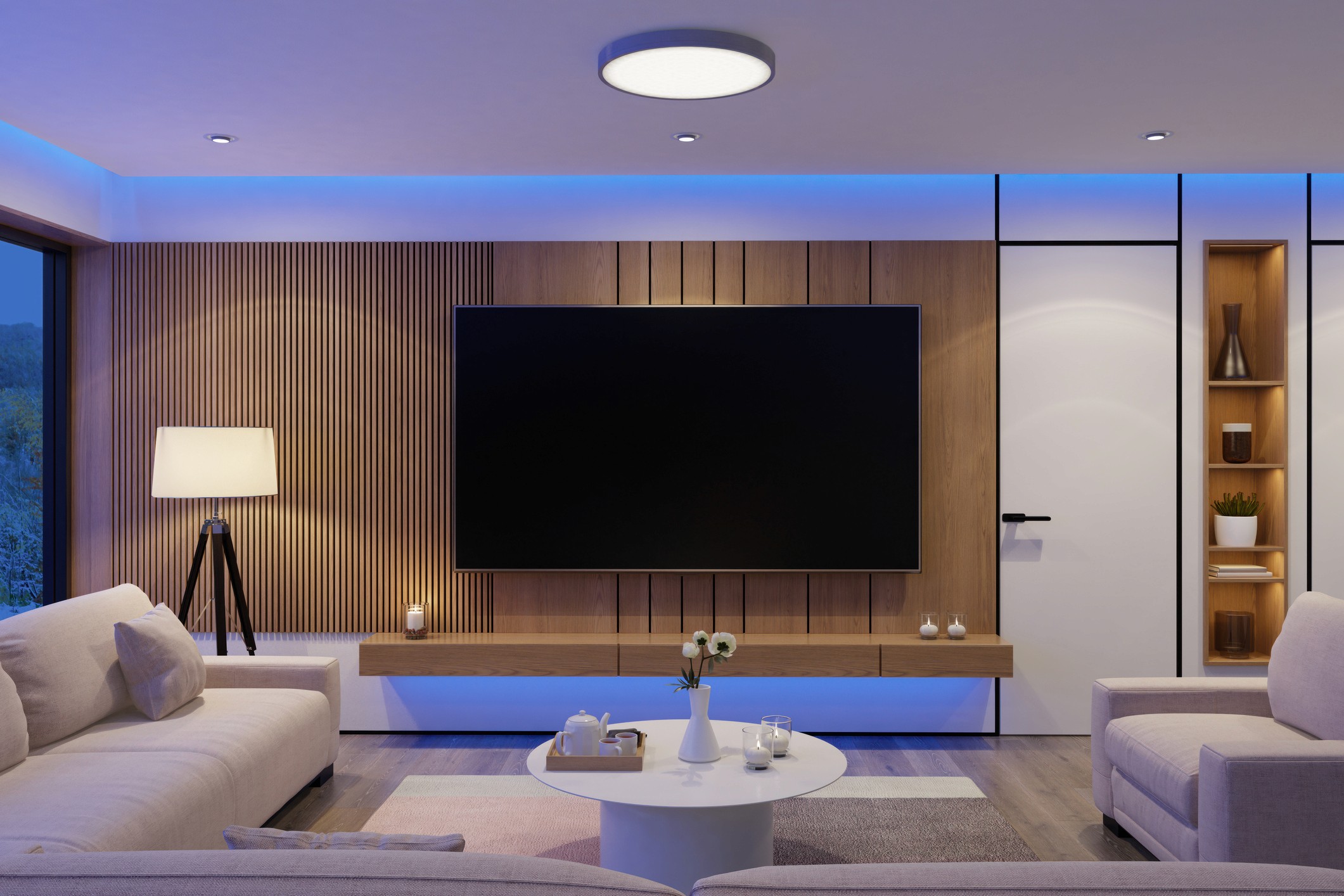
Some of the most impactful smart home technologies are intentionally understated. AI-powered sensors that adjust lighting, regulate humidity, or improve indoor comfort operate quietly in the background, enhancing livability without demanding attention. The NAR describes these features as improvements that “do not scream ‘smart home,’” yet materially improve how a home feels and functions.
This kind of quiet automation exemplifies human-centered design in practice. Technology adds value precisely because it recedes into the background, supporting residents rather than asking to be managed. In multifamily environments especially, this balance between automation and oversight is critical, reinforcing the importance of governance and thoughtful deployment discussed in the new multifamily operating model for 2026.
What This Means for Real Estate Professionals
Taken together, these trends signal a clear shift in how smart home technology intersects with real estate. In a market defined less by movement and more by commitment, homes compete on livability, efficiency, and long-term economics. Smart features matter not because they are advanced, but because they reduce friction, save time, and support daily life.
For agents, builders, and property managers, this means smart home technology becomes a storytelling tool tied to outcomes: easier showings, lower operating costs, improved comfort, and resilience over time. The homes that stand out are not packed with gadgets, as the NAR notes, they are “thoughtfully equipped with technology that simply works.”
As PropTech continues to evolve, smart home adoption will increasingly reflect a simple truth. Technology creates real market value only when it aligns with how people live, what they can afford, and how homes are actually used, reinforcing the central role of human-centered design, operational clarity, and affordability as the true products of modern real estate innovation.